Nature Escapes: Best National Parks to Explore in Spring
Ava Welles
2025-10-03
6 min read
Spring is a season of renewal, when flowers bloom, rivers swell with melted snow, and wildlife begins to stir after a long winter. It’s the perfect time to reconnect with nature, stretch your legs, and breathe fresh air. For travelers seeking adventure, tranquility, or simply a break from the urban grind, national parks offer an ideal escape. Unlike summer, when crowds often overwhelm popular destinations, spring provides a calmer, more intimate experience with nature’s beauty. Here’s a guide to some of the best national parks to explore in spring, each offering unique landscapes, activities, and wildlife encounters.
Yellowstone National Park, Wyoming, Montana, and Idaho
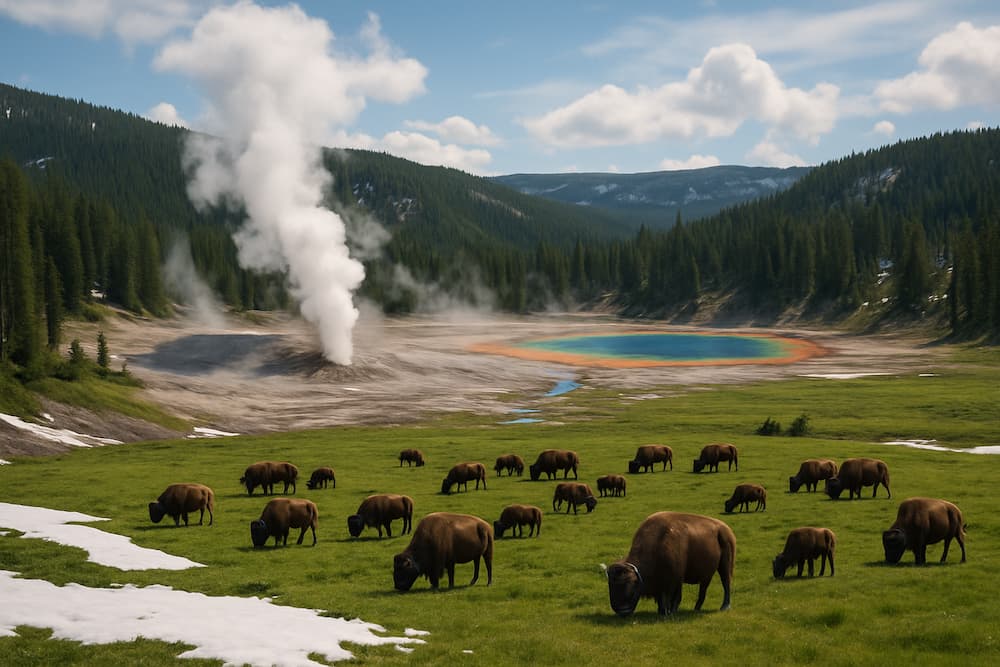
Yellowstone is America’s first national park, famous for its geysers, hot springs, and diverse wildlife. Visiting in spring allows you to witness the park waking up from winter. Snow may still linger in higher elevations, giving the landscape a dramatic contrast against the budding greenery. One of the highlights of a spring visit is wildlife spotting. Elk, bison, and bears begin to emerge, often seen grazing in the meadows. The Old Faithful geyser is a must-see, but don’t miss less famous geothermal features such as the colorful Grand Prismatic Spring. With fewer tourists compared to summer, hiking trails feel more peaceful, making it an ideal time for photographers and nature enthusiasts.
Great Smoky Mountains National Park, Tennessee and North Carolina
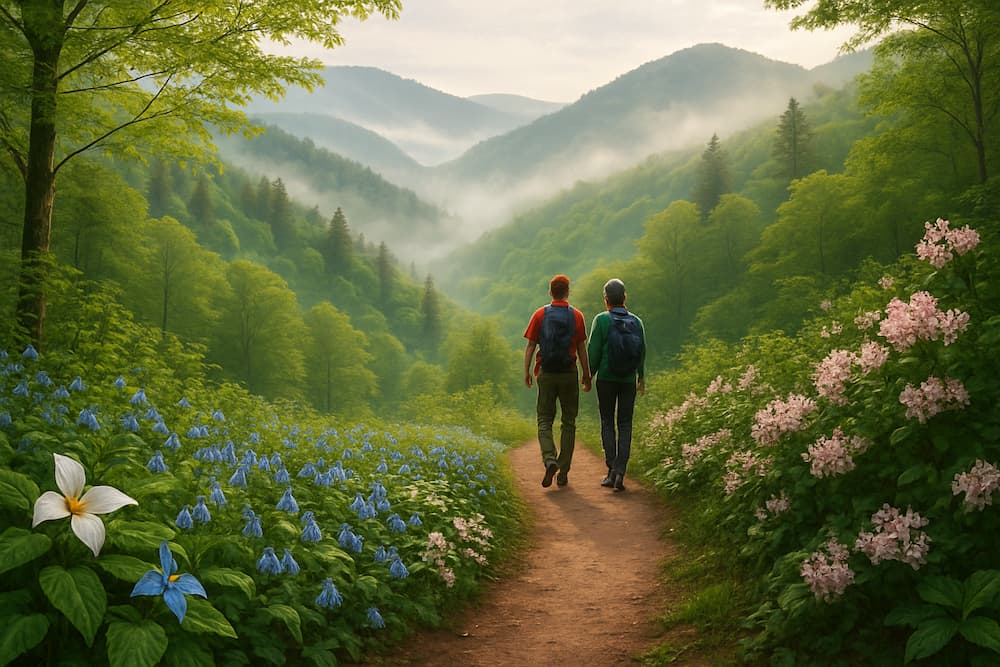
The Great Smoky Mountains are a haven for wildflower lovers. In spring, the park bursts into color with trilliums, lady’s slippers, and bluebells carpeting the forest floor. The air is cool, crisp, and often misty, adding a layer of mystique to the mist-covered mountains. Spring is also when black bears become more active, and birdwatchers will delight in spotting migratory species returning to the area. For hikers, the Appalachian Trail offers scenic viewpoints, waterfalls, and secluded spots perfect for a spring picnic. The combination of abundant flora, wildlife, and cascading streams makes this park a quintessential spring destination.
Zion National Park, Utah
Zion is known for its striking red sandstone cliffs, narrow canyons, and dramatic landscapes. Spring is one of the best times to visit because temperatures are moderate, avoiding the extreme heat of summer. Water flows more abundantly in the park’s rivers and waterfalls, creating stunning reflections and lively ecosystems. Popular hikes such as Angel’s Landing and The Narrows are more enjoyable without the oppressive heat, and early-season visitors often find themselves sharing the trails with fewer crowds. Spring also brings wildflowers that contrast beautifully with the park’s red rocks, offering both a visual treat and excellent photo opportunities.
Shenandoah National Park, Virginia
Shenandoah National Park stretches along the Blue Ridge Mountains and is famous for its Skyline Drive. In spring, the park transforms into a mosaic of greens and pastels as dogwoods, redbuds, and mountain laurels bloom. The mild temperatures make it perfect for long scenic drives or hiking trails like Old Rag or Dark Hollow Falls. Birdwatchers can enjoy spotting warblers, woodpeckers, and other migratory species returning for the season. Spring also offers a chance to see cascading waterfalls at their fullest, fed by melted snow and spring rain. The tranquility of this park during the shoulder season makes it ideal for those seeking a peaceful retreat into nature.
Acadia National Park, Maine
Acadia on the rugged coast of Maine offers a unique combination of mountains, forests, and ocean vistas. Spring visits provide a quieter alternative to the busy summer months when the park is crowded with tourists. The air is fresh and invigorating, with a hint of the Atlantic breeze. Hiking trails like the Jordan Pond Path and Cadillac Mountain are particularly enjoyable in spring, with fewer people and a landscape awakening from winter. Wildlife such as moose and migratory birds become more visible, and the coastal scenery is at its most dramatic when waves crash against rocky shores framed by early blooms.
Joshua Tree National Park, California
For those seeking desert landscapes, Joshua Tree is a springtime wonder. Wildflowers bloom across the desert floor, painting the arid landscape in vibrant colors. Temperatures are much more comfortable than in the scorching summer months, making hiking, rock climbing, and stargazing far more enjoyable. The iconic Joshua trees themselves provide striking silhouettes against the bright blue spring sky. Visitors can explore hidden trails, enjoy quiet rock formations, or simply relax and watch the sunset, which tends to be spectacular during spring evenings.
Tips for Visiting National Parks in Spring
While each park offers unique experiences, there are a few general tips that can enhance your spring adventure. First, check trail conditions, as snow or mud may still affect higher elevations. Dress in layers to adapt to variable temperatures, and bring rain gear just in case. Early morning or late afternoon visits are ideal for wildlife spotting and capturing the best light for photography. Lastly, booking accommodations or campsites in advance is wise, even in spring, as popular parks can still draw visitors during peak bloom periods.
Exploring national parks in spring offers a perfect combination of mild weather, blooming landscapes, and fewer crowds. Whether you’re seeking mountains, deserts, forests, or coastal cliffs, there’s a spring adventure waiting to inspire, relax, and invigorate. Experiencing these natural wonders not only provides a break from daily life but also reconnects us with the rhythm and beauty of the seasons.
More Trending Articles



Gift Guides for Everyone on Your List in 2026: Thoughtful Ideas That Stand Out
Natalie Kim
2025-11-20